
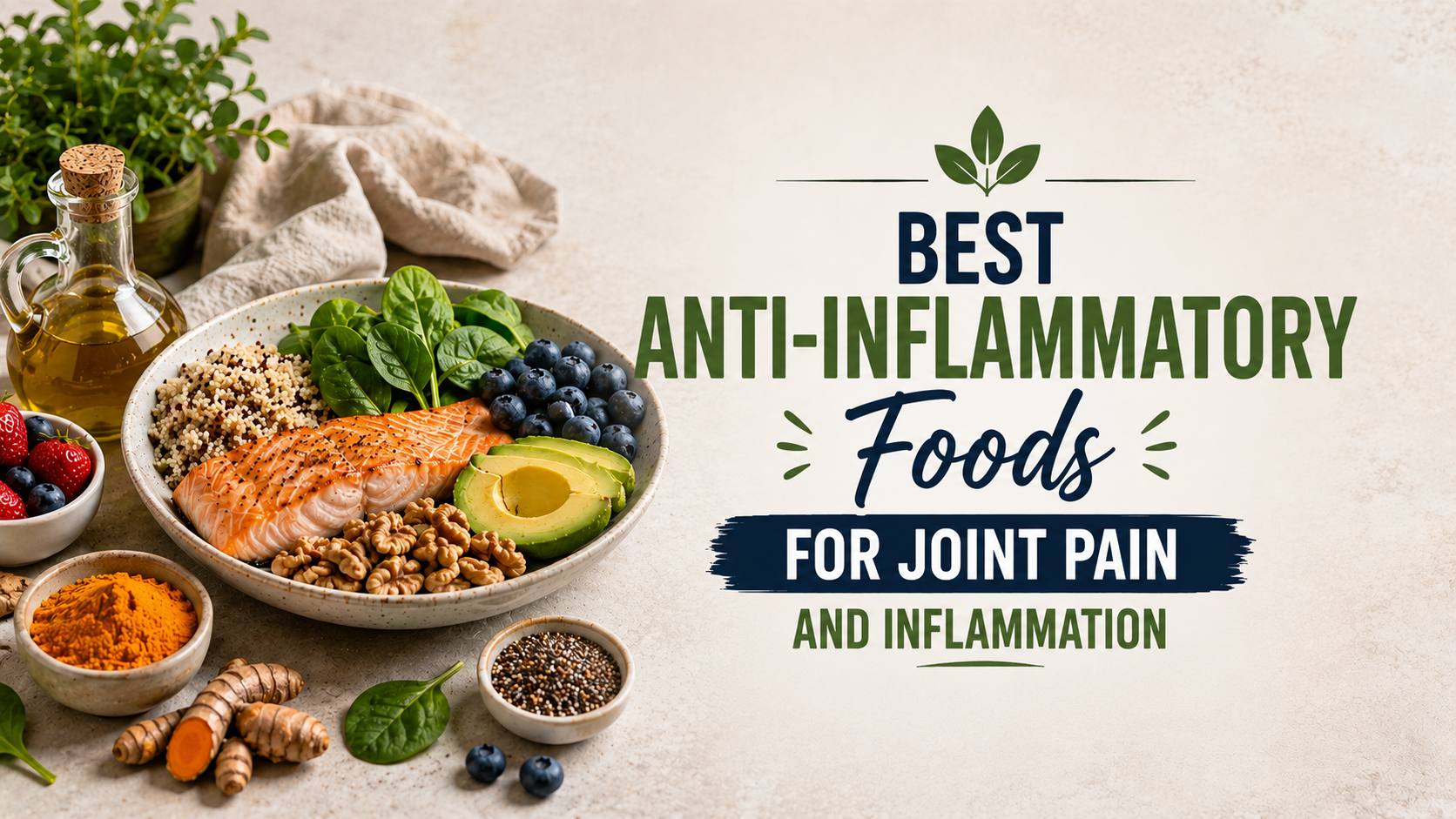
Best Anti-Inflammatory Foods for Joint Pain and Inflammation
What You Eat Every Day Either Fuels Joint Pain or Fights It
Your knees ache when you climb stairs. Your fingers are stiff in the morning. Your hips hurt after sitting for too long.
Joint pain has become extremely common, affecting people well before old age. And while medication helps manage symptoms, what you eat every single day either fuels the inflammation causing your pain or helps quiet it down.
The good news for Indian readers: some of the most powerful anti-inflammatory foods in the world are already sitting in your kitchen. You just might not be using them in the right quantities or combinations.
What Is Inflammation and Why Does It Cause Joint Pain?
Inflammation is your immune system's response to injury, infection, or threat. Short-term (acute) inflammation is actually helpful: it brings healing resources to an injured area.
The problem is chronic inflammation. When your immune system stays in a low-level "on" state for weeks, months, or years, it begins attacking healthy tissue, including joint cartilage, synovial membranes, and connective tissue.
This chronic immune activation is at the root of conditions including rheumatoid arthritis, osteoarthritis, gout, and general joint pain and stiffness driven by low-grade systemic inflammation from diet, lifestyle, and metabolic health.
How Food Affects Inflammation
Every meal you eat either promotes or reduces inflammatory activity in your body.
Foods high in refined sugars, trans fats, and processed ingredients increase inflammatory markers like C-reactive protein (CRP) and interleukin-6 (IL-6). Over time, a diet full of these foods keeps inflammation chronically elevated.
Foods rich in antioxidants, omega-3 fatty acids, polyphenols, and fibre have the opposite effect: they reduce inflammatory signalling, protect joint cartilage, and support the immune system's ability to regulate itself.
The Best Anti-Inflammatory Foods
Fatty Fish
Salmon, sardines, mackerel, and tuna are among the most anti-inflammatory foods available. They are rich in omega-3 fatty acids (EPA and DHA), which directly reduce the production of inflammatory compounds called prostaglandins and leukotrienes.
Research shows that people with rheumatoid arthritis who eat fatty fish at least 2 to 3 times per week have lower disease activity and less joint swelling. In India, surmai (king fish), rawas (Indian salmon), and hilsa are excellent omega-3 sources.
If you do not eat fish, omega-3 supplements (fish oil or algae-based vegan DHA/EPA) are a good alternative.
Flaxseeds and Walnuts (Vegetarian Omega-3)
For vegetarians, flaxseeds (alsi) and walnuts are the best plant-based omega-3 sources. Flaxseeds provide ALA (alpha-linolenic acid), which the body partially converts to EPA and DHA.
Add ground flaxseed to your roti dough, curd, or smoothies. Eat a small handful of walnuts daily. These are simple, affordable, and highly effective habits.
Berries and Dark Fruits
Blueberries, pomegranate, cherries, and dark grapes are loaded with anthocyanins, powerful anti-inflammatory compounds that reduce CRP and protect joint cartilage. Tart cherries specifically have been shown in multiple studies to reduce arthritis flares and uric acid levels, making them especially relevant for people with gout.
In India, pomegranate (anar), jamun, and amla (Indian gooseberry) are excellent local alternatives packed with polyphenols and vitamin C.
Olive Oil
Extra virgin olive oil contains oleocanthal, a compound with similar anti-inflammatory effects to ibuprofen. Replacing refined oils with extra virgin olive oil in salad dressings and low-heat cooking meaningfully reduces inflammation over time.
For Indian high-heat cooking, cold-pressed coconut oil or mustard oil is a better choice than refined vegetable oils.
Leafy Green Vegetables
Spinach (palak), methi (fenugreek leaves), and sarson (mustard greens) are rich in vitamins K and E, both of which have anti-inflammatory properties. They also provide magnesium, which supports joint and muscle health.
Nuts and Seeds
Almonds, walnuts, pumpkin seeds, and sunflower seeds provide vitamin E, magnesium, and healthy fats that collectively reduce inflammation. A 30g handful of mixed nuts daily (roughly 10 to 12 almonds and a few walnuts) is a simple and effective anti-inflammatory habit.
Green Tea
Green tea contains epigallocatechin gallate (EGCG), one of the most studied anti-inflammatory compounds. Several studies show EGCG reduces cartilage destruction in arthritis. Replacing one or two daily chais with green tea is a simple switch with meaningful long-term benefits.
Important: For people with existing joint conditions, combining an anti-inflammatory diet with the right exercise is significantly more effective than diet alone. Read more about why your workouts are not working if you are currently exercising but not seeing improvement in pain or mobility.
Indian Spices With Powerful Anti-Inflammatory Properties
This is where Indian cuisine has a genuine and scientifically validated advantage.
Turmeric (Haldi)
Curcumin, the active compound in turmeric, is one of the most extensively researched anti-inflammatory substances in the world. Dozens of clinical trials show curcumin reduces inflammatory markers, joint swelling, and pain comparable to some anti-inflammatory medications, without the side effects.
The key: curcumin is poorly absorbed on its own. Two things dramatically increase absorption:
- Black pepper: piperine increases curcumin absorption by up to 2,000 percent
- Fat: cooking in oil or eating with dairy significantly helps
This is why traditional haldi milk with a pinch of black pepper and a little ghee is genuinely more therapeutic than simply adding turmeric to water.
Aim for 1 to 2 teaspoons of turmeric daily in your cooking, dals, sabzi, and drinks.
Ginger (Adrak)
Gingerols and shogaols in ginger inhibit inflammatory enzymes (COX-1 and COX-2) similarly to how ibuprofen works, though more mildly. Regular ginger consumption has been shown to reduce pain and stiffness in osteoarthritis patients.
Fresh ginger is more potent than dried. Add it to chai, sabzi, dal, soups, and fresh juices.
Fenugreek Seeds (Methi Dana)
Used widely in Indian cooking, fenugreek seeds have been specifically studied for joint pain. Several Indian studies show methi supplementation reduces pain and stiffness in arthritis patients.
Soak a teaspoon of methi seeds overnight and eat them in the morning, or add them to dal tadka and vegetable preparations.
Cinnamon (Dalchini)
Cinnamon has significant antioxidant and anti-inflammatory properties. It also helps regulate blood sugar, and since insulin resistance promotes inflammation, this is an indirect but meaningful benefit. Add a small cinnamon stick to your morning chai or a pinch to your oats.
Foods to Avoid If You Have Joint Pain
- Refined sugar and sugary drinks: Sugar spikes blood glucose and triggers the release of inflammatory cytokines. Packaged biscuits, cold drinks, mithai, and heavily sweetened chai all contribute to inflammation
- Refined carbohydrates: White bread, maida-based rotis, instant noodles, and packaged snacks cause rapid blood sugar spikes that promote inflammation. Replace with whole grain alternatives
- Processed vegetable oils high in omega-6: Refined sunflower, canola, and soybean oils have a wildly skewed omega-6 to omega-3 ratio that drives inflammation. Switch to cold-pressed mustard oil, coconut oil, or ghee
- Alcohol: Raises inflammatory markers and is particularly problematic for people with gout, as it significantly increases uric acid levels
A Sample Anti-Inflammatory Indian Meal Plan
Day 1
- Breakfast: Moong dal cheela (2 pieces) with a glass of warm turmeric milk with black pepper, plus a handful of walnuts
- Lunch: Palak dal with haldi and ginger tadka, 2 bajra rotis, cucumber raita
- Snack: Fresh pomegranate seeds and green tea
- Dinner: Grilled surmai fish with sauteed methi sabzi, 1 roti, and a cup of vegetable soup
Day 2
- Breakfast: Oats porridge with ground flaxseeds, cinnamon, and banana, plus 2 boiled eggs
- Lunch: Rajma with ghee and black pepper tadka, brown rice, green salad
- Snack: Roasted makhana and a few almonds
- Dinner: Moong dal khichdi with ginger-haldi tempering, and a side of sauteed palak
For guidance on building sustainable eating habits alongside your fitness routine, see why diet plans fail without fitness guidance.
Lifestyle Habits That Reduce Inflammation
Diet is the foundation, but other habits significantly affect your inflammatory load.
Exercise: Regular moderate exercise (walking, yoga, swimming) reduces inflammatory markers. Sedentary behaviour, on the other hand, increases them. For people with joint pain, water-based exercise and gentle yoga are particularly helpful.
Sleep: Poor sleep significantly raises inflammatory cytokines. Prioritising 7 to 8 hours of quality sleep reduces inflammation at a biochemical level.
Stress management: Chronic stress raises cortisol, and chronically elevated cortisol promotes inflammation. Yoga, meditation, and time in nature all reduce the inflammatory effects of stress on the body.
Weight management: Excess body fat, particularly visceral fat, is itself inflammatory tissue. It produces cytokines that contribute to systemic inflammation and accelerate joint damage. Even a 5 to 10 percent reduction in body weight significantly reduces joint pain and inflammatory markers.
Smoking: Smoking dramatically increases inflammatory markers and is a significant risk factor for rheumatoid arthritis. Stopping is one of the most impactful changes available for joint health.
Why fitnoa Works for People Managing Joint Pain and Inflammation
Reducing inflammation through diet and building strength through exercise are most effective when they work together. fitnoa is built to deliver both.
- Joint-safe exercise programmes designed around your specific concerns, with low-impact exercises that build strength around sensitive joints without aggravating pain
- AI posture tracking with a live trainer: For people with joint pain, exercise technique is everything. Incorrect movement patterns during squats, lunges, or upper body exercises place excessive and uneven load on already sensitive joints. fitnoa's real-time posture tracking identifies these patterns immediately, and your trainer adjusts your technique on the spot to protect your joints while still building strength
- Complete privacy: Only you and your trainer can see each other during every session, from the comfort of your home
- Detailed post-session reports: Accuracy, calories burned, reps, and progress over time so you can see your training working
- Personalised nutrition plans built around an anti-inflammatory eating pattern specific to your health history, goals, and food preferences
- One accessible price covering live coaching and nutrition support together
Key Takeaways
- Chronic inflammation is the root cause of most joint pain conditions, and diet directly influences your inflammatory load every single day
- The most powerful anti-inflammatory foods include fatty fish, flaxseeds, walnuts, berries, leafy greens, and olive oil
- Indian spices are among the best anti-inflammatory ingredients available: turmeric, ginger, black pepper, cinnamon, and fenugreek all have strong clinical evidence for reducing inflammation
- Foods to avoid include refined sugar, processed omega-6 oils, refined carbohydrates, and alcohol
- Lifestyle factors including exercise, sleep, stress management, and weight management are essential complements to an anti-inflammatory diet
- Combining an anti-inflammatory diet with guided exercise produces significantly better outcomes than either approach alone
Related reads you may find helpful
Frequently asked questions
Everything you need to know
Move Better and Eat Better With Expert Guidance Built for Your Body
For people with joint pain, the right exercise programme and an anti-inflammatory nutrition plan work best when they are designed together. fitnoa's live expert coaching and personalised nutrition support give you both, with joint-safe exercise progressions and real-time form guidance at every session. Try your first class completely free.