
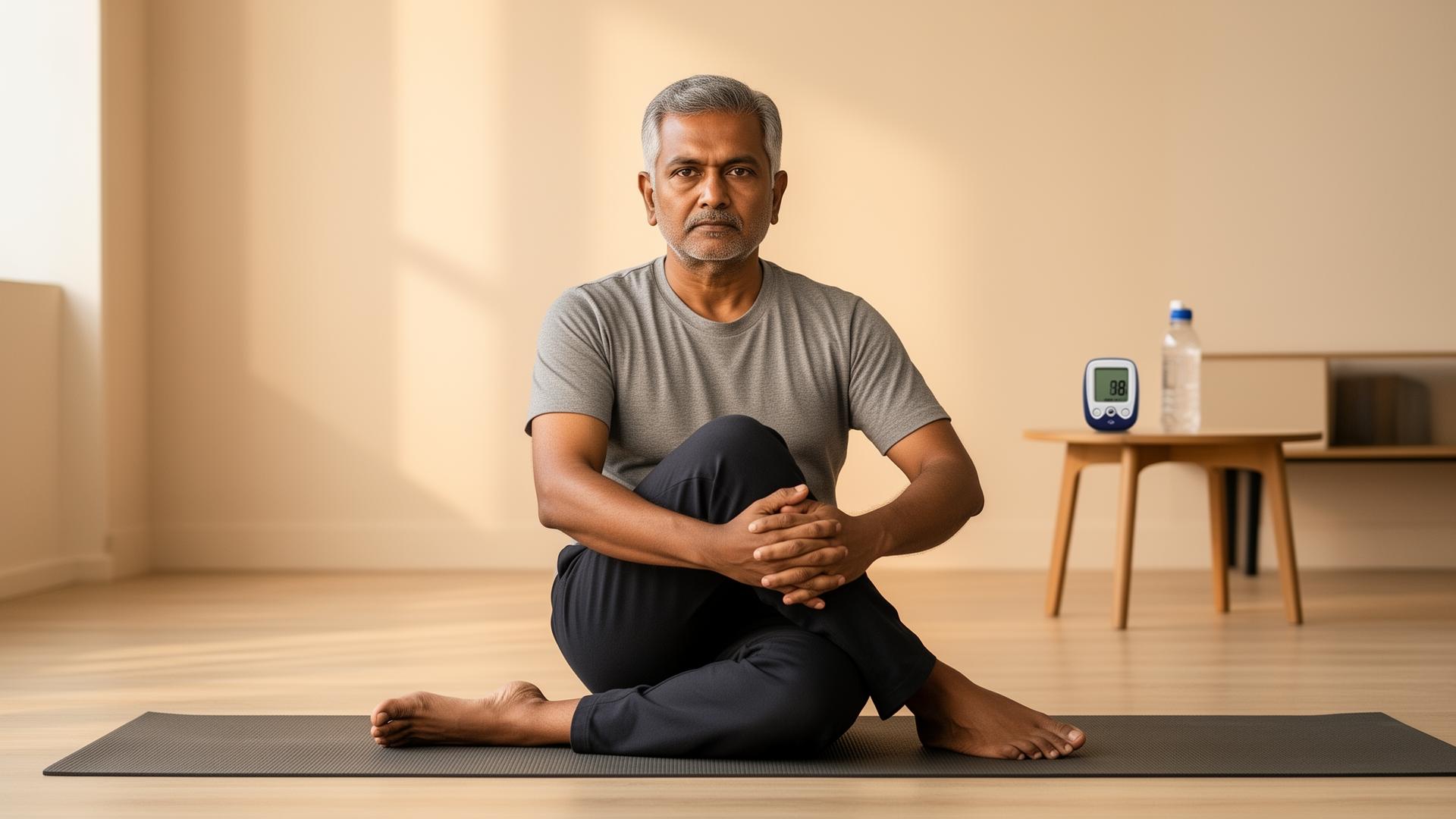
How Yoga Affects Blood Sugar: Science & Benefits
When we think about managing diabetes, most people immediately think of two pillars: medication and diet. While both are essential, there is a third pillar that is often underestimated, how your body handles stress and movement on a daily basis. For millions of people living with Type 2 Diabetes, especially in India, lifestyle-related stress plays a significant role in blood sugar fluctuations.
This is where yoga becomes relevant. Yoga is not a cure, and it is not a replacement for medical treatment. However, when practiced correctly, yoga can act as a powerful supportive tool by improving insulin sensitivity, encouraging glucose uptake by muscles, and calming the hormonal stress response that often worsens blood sugar control.
Important: Yoga supports diabetes management, but it should always complement medical treatment, not replace it.
The Muscle-Glucose Connection
Every time you move your muscles, they require energy to function. That energy comes primarily from glucose circulating in your bloodstream. When you engage in physical activity, including yoga, your muscle cells increase their uptake of glucose to meet this demand.
Unlike high-intensity workouts, yoga activates muscles in a controlled, sustained manner. Holding poses such as Warrior or Chair pose engages large muscle groups in the legs and core, encouraging glucose uptake without placing excessive strain on the joints or cardiovascular system. Over time, consistent practice may help improve insulin sensitivity.
The Hidden Villain: Stress, Cortisol, and Blood Sugar
Stress has a direct and measurable impact on blood sugar levels. When the body perceives stress, it releases a hormone called cortisol. Cortisol signals the liver to release stored glucose into the bloodstream, preparing the body for a “fight or flight” response.
In modern life, stress is often chronic rather than temporary. Work pressure, sleep disruption, financial concerns, and caregiving responsibilities can keep cortisol levels elevated for long periods. This can lead to persistently high blood sugar, even when diet and medication are carefully managed.
Stress-driven weight gain is not unique to diabetes. Many people face similar challenges when choosing between high-intensity workouts and gentler options. Our breakdown of yoga vs gym for weight loss explains how consistency and stress control often matter more than calorie burn alone.
Yoga, particularly slower practices and breathing techniques (Pranayama), helps calm the nervous system. By reducing cortisol levels, yoga may indirectly support more stable blood sugar regulation and improve overall metabolic health.
Specific Yoga Practices That May Support Diabetes Management
No single yoga pose can “fix” diabetes. However, certain movements are commonly included in therapeutic yoga programs due to their effects on circulation, digestion, and muscular engagement.
- Mandukasana (Frog Pose): Traditionally associated with stimulation of the abdominal organs, including the pancreas.
- Ardha Matsyendrasana (Half Spinal Twist): Gentle twists may help massage abdominal organs and support digestion.
- Surya Namaskar (Sun Salutations): A rhythmic sequence that functions as moderate cardio while improving mobility and circulation.
Safety First: A Practical Checklist for Diabetics
If you are living with diabetes, certain safety considerations are especially important when incorporating yoga or any form of exercise into your routine.
- Watch for hypoglycemia: Physical activity can lower blood sugar. If you are on insulin or sulfonylureas, keep a fast-acting carbohydrate nearby.
- Protect your feet: Reduced sensation can increase injury risk. Practice on a clean, padded surface and inspect your feet regularly.
- Stay hydrated: High blood sugar increases dehydration risk. Drink water before, during, and after your session.
When practiced mindfully and consistently, yoga can become a sustainable part of a broader diabetes care plan, supporting not just blood sugar control, but also mental resilience and long-term wellbeing.
Related reads you may find helpful
Frequently asked questions
Everything you need to know
Support Your Diabetes Care Plan
Managing diabetes requires a holistic approach. If you're interested in guided movement that respects your medical needs, fitnoa offers beginner-friendly online classes.