
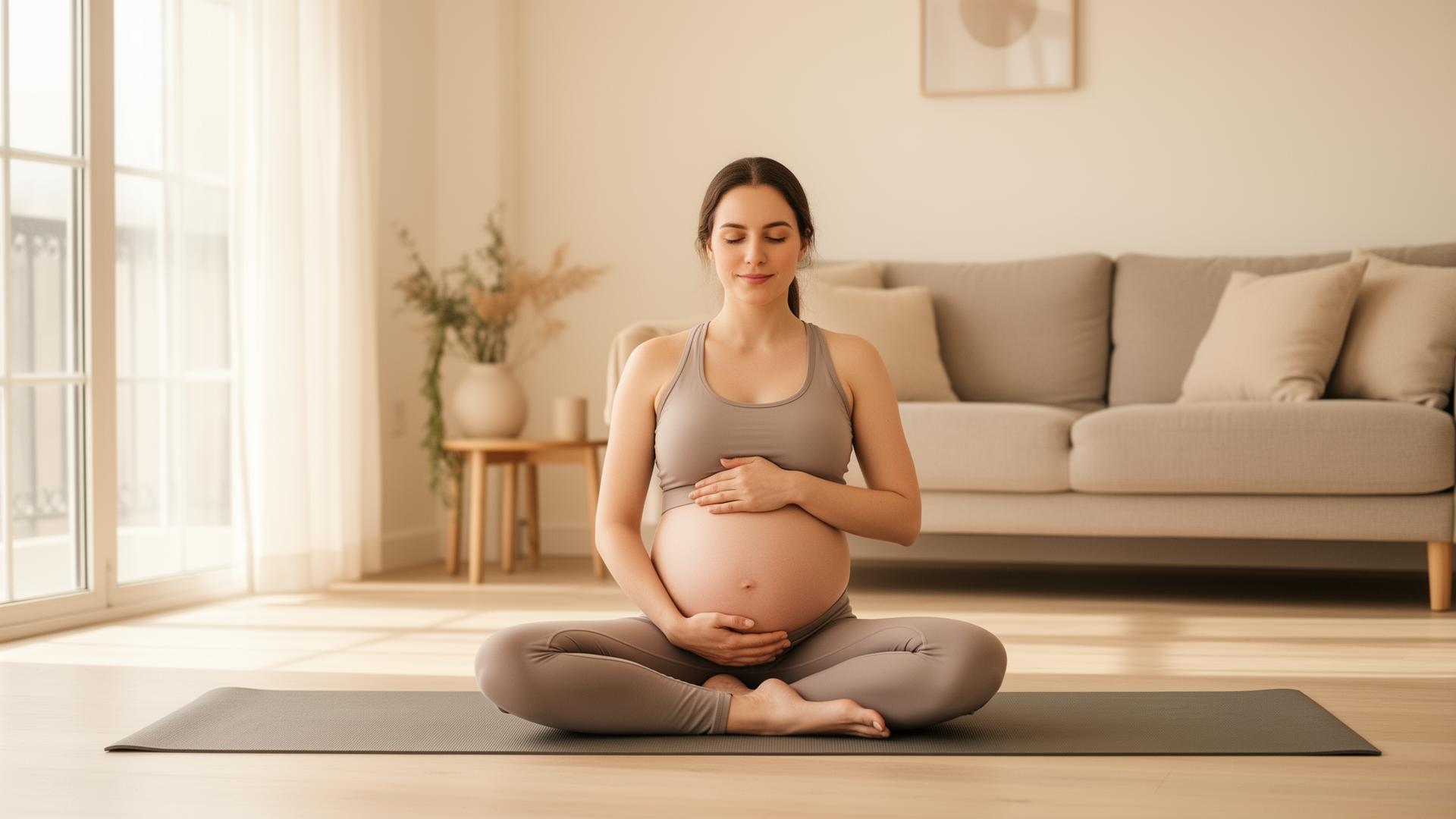
Is Prenatal Yoga Safe? Expert Guidelines for Every Trimester
Pregnancy is often described as a magical journey, but for most women, it can also feel confusing and overwhelming. One day you’re encouraged to stay active, and the next day someone warns you that even basic stretching might be “dangerous.” With so many opinions coming from all directions, it’s natural for expecting mothers to question what is truly safe for their bodies.
One of the most common concerns we hear is: “Is it really safe to do yoga during pregnancy?” The honest answer is yes, prenatal yoga is generally safe and often beneficial for most healthy pregnancies, provided it is practiced gently, with appropriate modifications, and under informed guidance. The goal is never to push the body, but to support it through change.
Important: Prenatal yoga isn’t about pushing your limits. It’s about supporting your changing body with safe, mindful movement.
The Most Important Rule: Comfort Over Calories
Prenatal yoga is fundamentally different from regular fitness classes. This is not the time to “feel the burn”, chase flexibility, or test physical limits. Your body is already working hard to support a growing baby, and yoga should help, not compete with, that process.
When practiced correctly, prenatal yoga focuses on maintaining mobility, reducing physical discomfort, and calming the nervous system. The real goals of prenatal yoga include:
- Reducing pregnancy-related aches, stiffness, and back pain
- Improving circulation, breathing patterns, and relaxation
- Supporting posture as your center of gravity changes
- Preparing the hips, pelvic floor, and nervous system for labor
If a pose causes pain, dizziness, breathlessness, or anxiety, that is a clear signal to stop. Discomfort is not productive during pregnancy, and listening to your body is far more important than completing a pose.
How Prenatal Yoga Changes by Trimester
Pregnancy brings rapid physical and hormonal changes, and your yoga practice should evolve alongside them. What feels comfortable during one phase may not feel right in the next, and that variability is completely normal.
Pregnancy also brings hormonal and metabolic changes that can affect energy levels and blood sugar stability. Gentle yoga practices that focus on breath and mobility can support overall balance. We’ve explained the science behind this in our article on how yoga affects blood sugar, which is especially relevant for women with gestational diabetes risk.
First Trimester (Weeks 1-12)
The first trimester is a particularly sensitive phase, marked by significant internal changes even before visible signs of pregnancy appear. Fatigue, nausea, dizziness, and emotional fluctuations are common, and many women feel physically vulnerable during this period.
For women who are new to yoga, many healthcare providers recommend waiting until the second trimester before beginning a structured prenatal yoga routine. If yoga is practiced during the first trimester, it should be extremely gentle and focused primarily on breathing, relaxation, and short, supportive movements.
- Main focus: Rest, breath awareness, and very gentle movement
- Important safety note: Avoid overheating; hot yoga and heated rooms are not recommended
- Helpful tip: Keep movements slow and avoid long holds if nausea or fatigue is present
Second Trimester (Weeks 13-26)
Many women experience increased energy during the second trimester, making it a comfortable time to establish a consistent prenatal yoga practice. As the belly grows, posture and balance begin to shift, requiring greater body awareness.
- Main focus: Strengthening the legs, back, and postural muscles
- Balance awareness: Use wall or chair support as your center of gravity changes
- Key modification: Avoid lying flat on your back for extended periods after week 20
Third Trimester (Weeks 27-40+)
In the final months of pregnancy, the focus naturally shifts from building strength to enhancing comfort and preparing for birth. Hormones such as relaxin make joints looser, increasing the risk of overstretching if movements are forced.
- Main focus: Gentle hip opening, breathing, and pelvic floor relaxation
- Safety reminder: Stretch within comfort and avoid forcing flexibility
- Use props freely: Pillows, bolsters, and blocks provide essential support
Yoga Poses Generally Avoided During Pregnancy
While individual needs vary, most prenatal experts recommend avoiding certain movements that place unnecessary pressure on the abdomen or compromise balance and circulation.
- Deep closed twists that compress the abdomen
- Strong backbends that place pressure on the belly
- Inversions unless medically approved and well-practiced
- Belly-down poses such as Cobra or Bow pose
Stop Immediately If You Notice These Warning Signs
Always stop exercising and consult your doctor or midwife if you experience any of the following symptoms during or after a yoga session:
- Vaginal bleeding or fluid leakage
- Dizziness, fainting, or severe breathlessness
- Chest pain or sudden swelling
- Calf pain or swelling (possible clot warning)
- Regular, painful contractions before term
When practiced safely, prenatal yoga is not about “doing more.” It’s about creating space, in both your body and your mind, as you prepare to welcome your baby.
Related reads you may find helpful
Frequently asked questions
Everything you need to know
Guided Prenatal Yoga from Home
If you're looking for a safe, guided environment to stay active during your pregnancy, you might find fitnoa's live prenatal sessions helpful. Our instructors specialize in trimester-specific modifications.