
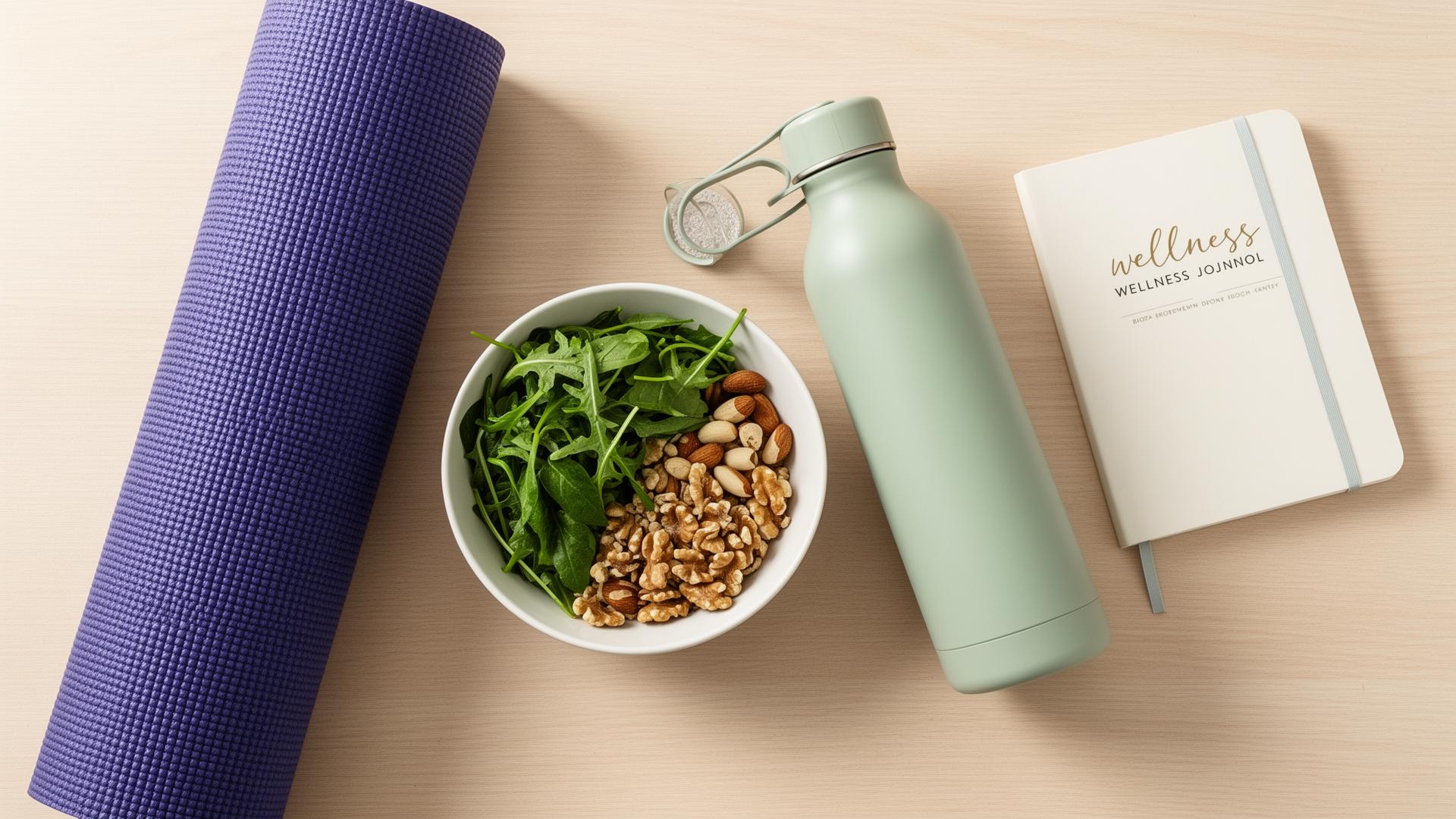
Managing PCOS: Why Lifestyle & Exercise Matter More Than You Think
Polycystic Ovary Syndrome (PCOS), also known as PCOD, is one of the most common hormonal disorders affecting women today. Despite its prevalence, it is often misunderstood and oversimplified. Many women are told to “just lose weight” without being given a clear, sustainable plan, or worse, they are pushed into extreme diets and intense workout routines that leave them exhausted and discouraged.
The truth is, PCOS is not simply a weight problem. It is a complex hormonal and metabolic condition involving insulin resistance, chronic inflammation, and stress-hormone imbalance. Because of this, the traditional advice of “eat less and exercise more” often backfires. A more compassionate, physiology-aware approach is needed.
Important: With PCOS, more intensity is not always better. Supporting hormonal balance is far more effective than pushing your body into stress.
The Cortisol-PCOS Trap
Many women with PCOS also experience insulin resistance, meaning the body struggles to efficiently move glucose from the bloodstream into the cells. This can lead to weight gain, particularly around the abdomen, and makes fat loss more challenging.
In response, it’s common to turn to high-intensity workouts such as HIIT or long cardio sessions. While these approaches work for some people, they can increase cortisol, the body’s primary stress hormone. In women with PCOS, elevated cortisol can worsen insulin resistance, disrupt ovulation, and encourage the body to hold onto fat as a protective response.
This is also why many women with PCOS find better long-term results with yoga compared to high-intensity gym routines. If you’re confused between the two, our comparison of yoga vs gym for weight loss breaks down which approach is more sustainable based on real-life goals.
Why Gentle, Consistent Movement Works Better
This is why many endocrinologists and women’s health specialists now recommend low-impact, steady-state movement for PCOS. These forms of exercise improve metabolic health without overwhelming the nervous system.
- Yoga: Builds lean muscle, improves insulin sensitivity, and lowers stress hormones.
- Walking: Supports circulation, digestion, and mental wellbeing without cortisol spikes.
- Strength training: Increases muscle mass, which improves long-term metabolic rate.
The Three Pillars of PCOS Management
Movement is just one piece of the puzzle. Sustainable PCOS management usually rests on three interconnected lifestyle pillars that work together to stabilize hormones.
1. Nutrition (Not Deprivation)
Instead of cutting out entire food groups, PCOS-friendly nutrition focuses on blood sugar balance. Adding protein to breakfast, fiber to meals, and healthy fats can slow glucose absorption and prevent energy crashes that worsen cravings and fatigue.
2. Sleep Hygiene
Poor sleep disrupts hormones like ghrelin and leptin, which regulate hunger and satiety. For women with PCOS, consistent 7-8 hours of quality sleep is not optional, it is a critical component of hormonal repair and insulin regulation.
3. Stress Management
Chronic stress places additional strain on the adrenal glands, which are already under pressure in many women with PCOS. Gentle breathing practices, meditation, and restorative yoga are not luxuries, they are therapeutic tools.
How Yoga Specifically Helps in PCOS
Yoga addresses PCOS at multiple levels, physical, hormonal, and emotional. It supports the body in ways that aggressive workouts often cannot.
- Lowers stress: Helping break the cortisol-insulin resistance cycle.
- Improves pelvic circulation: Hip-opening postures increase blood flow to the reproductive organs.
- Builds mind-body awareness: Encouraging a more compassionate relationship with your body.
With consistency and the right guidance, yoga can become a stabilizing force, helping women with PCOS feel stronger, calmer, and more in control of their health journey.
Related reads you may find helpful
Frequently asked questions
Everything you need to know
Holistic PCOS Support
Navigating PCOS is easier with the right support. If you're looking for a fitness routine that balances strength with stress relief, explore fitnoa’s PCOS-focused sessions.