
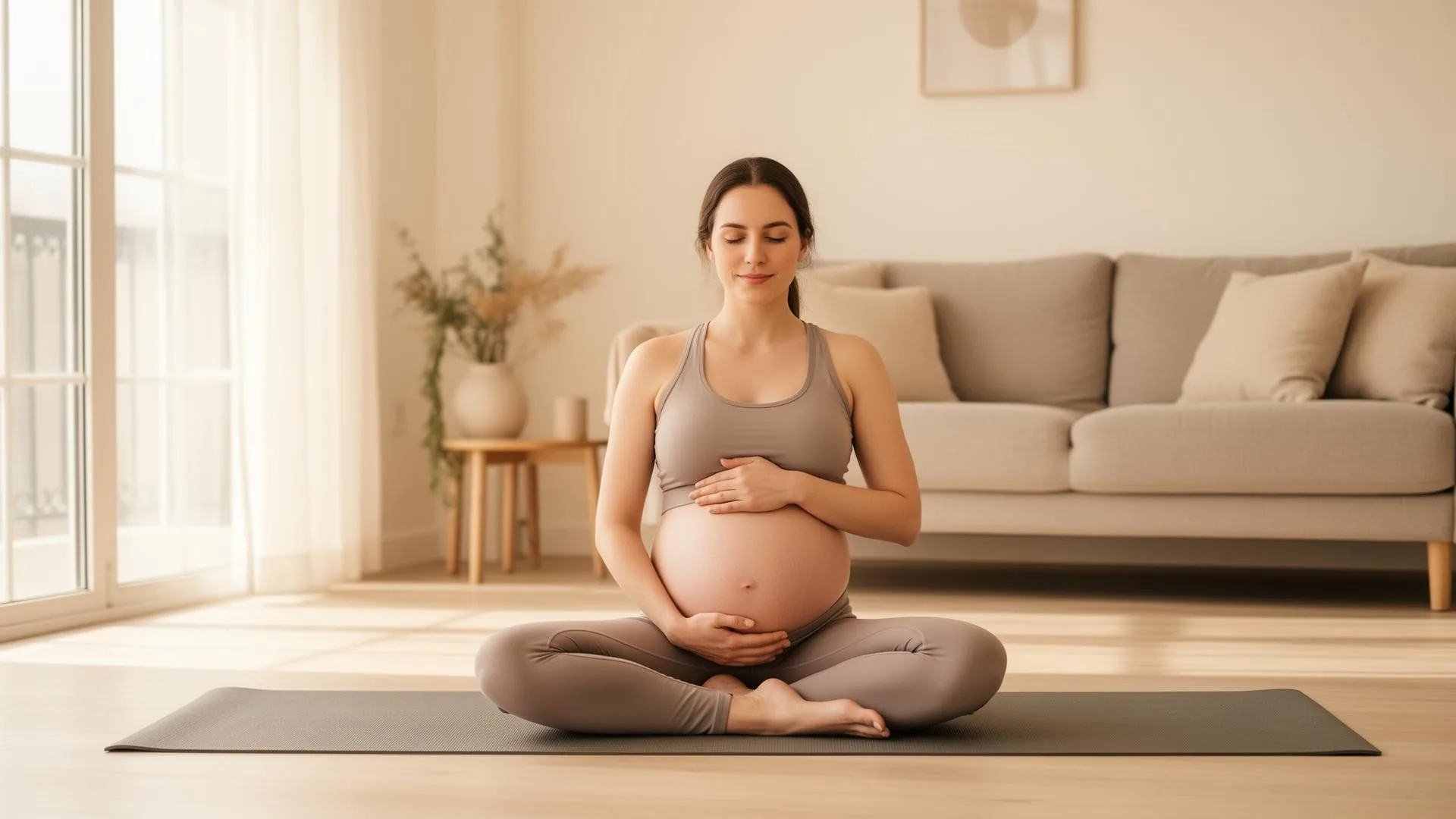
Breathing Exercises During Pregnancy: 5 Safe Techniques for Calm and Labour
Breathing exercises during pregnancy are safe for most women and can start in any trimester. The most useful ones are slow belly (diaphragmatic) breathing, rib breathing, long exhale breathing, gentle alternate nostril breathing (nadi shodhan) and guided imagery. They help you relax, ease anxiety, support your pelvic floor and give you a tool to stay steady through contractions. Avoid fast, forceful techniques like kapalabhati and bhastrika, which aren't recommended in pregnancy.
Pregnancy changes how you breathe. Early on, the hormone progesterone makes you breathe more often, which can feel like breathlessness. Later, as the NHS perinatal pelvic health team in Coventry and Warwickshire explains, your growing uterus pushes up against your diaphragm, so breathing gets shallow and your pelvic floor moves less than it should. Breathing exercises help with both.
Important: Breathing exercises are gentle, but tell your doctor if you have sudden or severe breathlessness, chest pain or a racing heart. Those need checking.
Can I do breathing exercises while pregnant?
Yes. Slow, gentle breathing is safe throughout pregnancy and is part of almost every prenatal yoga and antenatal class. FabMoms recommends learning from a qualified prenatal teacher who can show you the safest techniques and positions for your bump size.
How breathing affects your pelvic floor
The NHS pelvic health team describes a simple partnership between your diaphragm and pelvic floor:
- When you breathe in, your diaphragm moves down, your ribs and tummy widen, and your pelvic floor relaxes and lowers slightly.
- When you breathe out, your diaphragm rises, your tummy gently draws in, and your pelvic floor lifts.
Practising this helps your pelvic floor relax, which is useful in labour, makes pelvic floor exercises more effective and can calm your nervous system enough to ease pain, including pelvic girdle pain.
5 safe breathing exercises for pregnancy
1. Belly breathing (diaphragmatic breathing)
Sit supported or lie on your side. Put one hand on your belly. Breathe in slowly through your nose and feel your belly and ribs widen. Breathe out gently through your mouth. 5 minutes a day.
2. Rib breathing (360-degree breathing)
Place your hands on the sides of your ribs. Breathe in and feel your ribs expand sideways and into your back. This one gets easier in child's pose with knees wide, which Prenatal Yoga Center recommends because it gives your back ribs room to expand.
3. Long exhale breathing
Breathe in for a count of four and out for a count of six to eight. A longer out-breath helps you relax. This is the breath many women use through contractions.
4. Alternate nostril breathing (nadi shodhan)
Close your right nostril with your thumb and breathe in through the left. Close the left with your ring finger, release the right and breathe out. Continue slowly for 2 to 3 minutes. Art of Living recommends it for pregnancy. Don't hold your breath between sides.
5. Guided imagery breathing
FabMoms suggests this for beginners. Sit comfortably, close your eyes and follow your breath. Picture a calm, favourite place, its sounds, colours and smells. Finish with a few slow breaths.
You may also like our guide: Is Prenatal Yoga Safe? Expert Guidelines for Every Trimester
Breathing exercises by trimester
| Trimester | What helps | Why |
|---|---|---|
| First | Belly breathing, guided imagery | Settles anxiety and the "short of breath" feeling progesterone can cause |
| Second | Rib breathing, nadi shodhan | Keeps breathing deep as the bump grows |
| Third | Long exhale breathing, belly breathing on your side | Prepares you for contractions and helps your pelvic floor relax |
Which breathing exercises should you avoid?
FabMoms lists the techniques to skip in pregnancy:
- Kapalabhati (skull shining breath), which involves forceful pumping of the belly
- Bhastrika (bellows breath), which is fast and forceful
- Long breath holds
- Any breathing that makes you dizzy or lightheaded
How to improve breathing during pregnancy
- Sit tall to give your diaphragm space
- Sleep on your side with pillows propping your upper body
- Stay active, since walking and prenatal yoga build stamina
- Practise slow breathing for a few minutes every day, even on days you feel fine
Is it normal to feel short of breath at night?
Mild breathlessness is common, especially later in pregnancy when your baby presses up on your diaphragm. Sleeping on your side with your upper body raised often helps. Call your doctor straight away if breathlessness is sudden, severe or comes with chest pain or a cough.
Learning breathing with a teacher
Breathing looks simple until you try it while holding a squat or a side stretch. Most women hold their breath without noticing. In fitnoa's live prenatal classes, breathing is built into every session, and an AI watches each person's posture and alerts the instructor when someone needs a correction. You get personal attention in a group class. Private Mode means only your trainer can see you.
Stop and call your doctor if you notice
- Sudden or severe breathlessness
- Chest pain or a racing heartbeat
- Dizziness or fainting
- Vaginal bleeding or fluid leaking
- Your baby moving less than usual
Related reads you may find helpful
Frequently asked questions
Everything you need to know
Breathing Built Into Every Class
fitnoa's live prenatal classes include breathing for calm and labour in every session. Our AI watches your posture and alerts the instructor when you need help. Book your free trial session.