
How to Induce Labour Naturally: What Works, What Doesn't and What's Safe
There's no proven way to induce labour naturally at home. Most popular methods, like pineapple, castor oil or spicy food, don't have good evidence behind them, and some can upset your stomach. A few gentle things may help your body get ready: staying upright and walking, which can help your baby settle into your pelvis; birth ball movements; eating a few dates a day in the last weeks; and nipple stimulation, which releases oxytocin but should only be tried with your doctor's advice. Wait until at least 39 weeks unless your doctor says otherwise, and always check before trying anything.
By 38 or 39 weeks, most women are tired, uncomfortable and more than ready. That's completely understandable. Tommy's shares a quote from a mother who wished she'd relaxed and enjoyed those last weeks more, which is worth remembering too.
Important: Never try to start labour at home if you have a high-risk pregnancy, a breech baby, a low-lying placenta, or if your waters have broken. Talk to your doctor before trying any method.
When is it okay to try?
Your due date is an educated guess. Healthline notes that March of Dimes recommends waiting until at least 39 weeks for delivery unless there's a medical reason. Babies born before then may still be developing their lungs and brain. If you're past 40 weeks, your doctor will talk to you about a medical induction.
Natural ways to induce labour, and what the evidence says
| Method | Evidence | Verdict |
|---|---|---|
| Walking and staying upright | Small evidence that it helps baby settle and press on the cervix | Safe and worth doing |
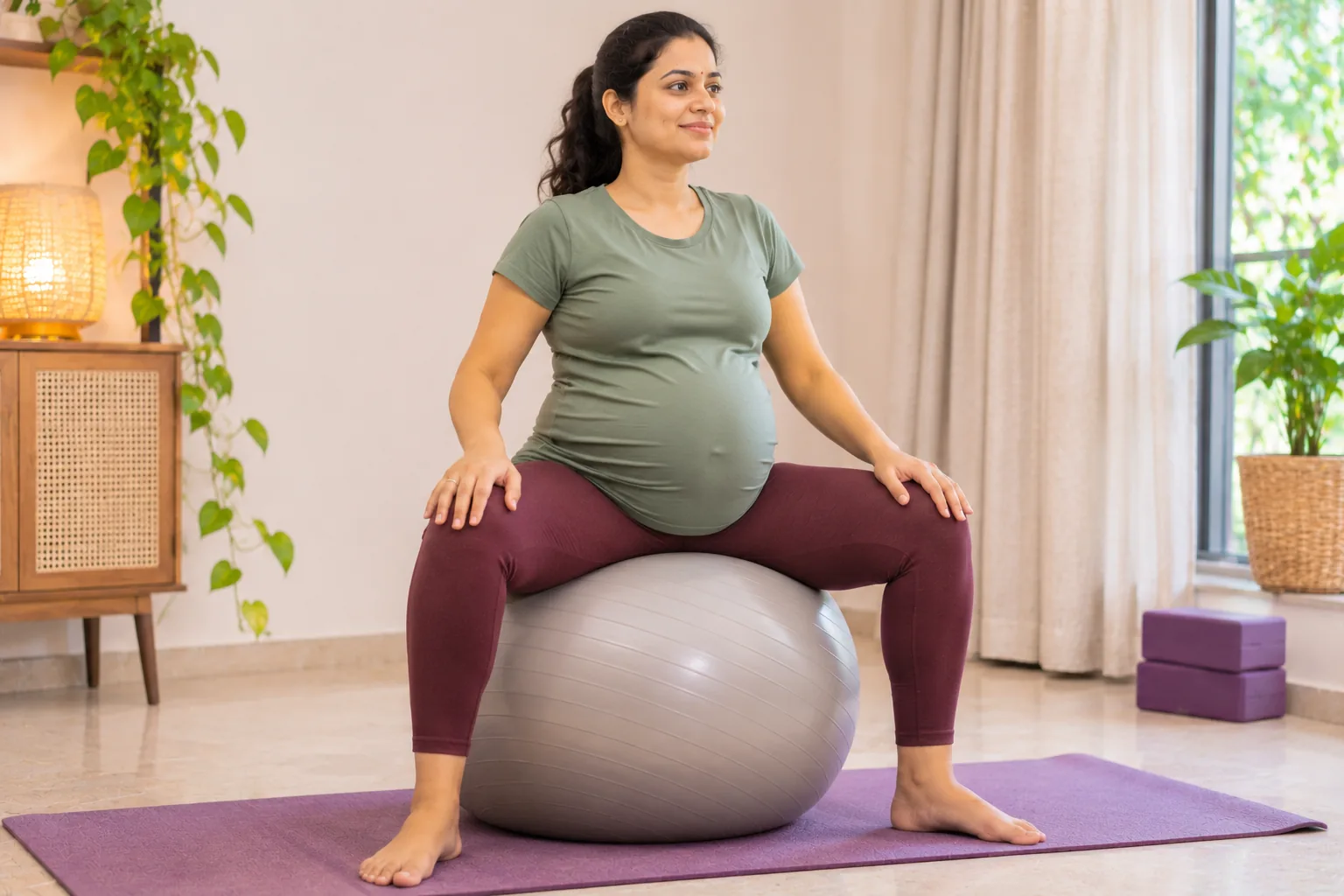
| Birth ball movements | Helps positioning and comfort | Safe and worth doing |
| Dates in the last 4 weeks | Small studies suggest more dilation at admission | Safe snack, limited evidence |
| Nipple stimulation | Some research shows it can help start labour | Only with your doctor's advice |
| Sex | No research showing it starts labour | Safe for most; avoid once waters break |
| Pineapple | No good evidence | Harmless in normal amounts |
| Spicy food | No evidence | May just cause heartburn |
| Castor oil | Causes diarrhoea and rarely true labour | Avoid |
| Raspberry leaf tea | Not recommended for starting labour | Ask your doctor first |
| Acupuncture or acupressure | Trials haven't shown it works | Not worth the cost |
The methods in detail
Walking
Tommy's explains that being upright and moving in late pregnancy may help your baby settle into your pelvis and press on your cervix, and there's a small amount of evidence for 30-minute walks. Healthline cites a 2022 study where walking 30 minutes three times a week at about 4 km an hour from week 38 helped bring on labour and reduced interventions. UT Southwestern's doctor is more cautious: no exercise has been proven to induce labour, but moderate exercise is safe and recommended. Walk only as far and as fast as is comfortable, and save some energy for labour.
Birth ball
Sit on a birth ball with your feet wide and make slow hip circles, or kneel and lean over it. It eases back pressure and encourages a good position for your baby.
Dates
Fertilia cites a small 2011 study where women who ate six dates a day for four weeks before their due date were more dilated when they arrived at hospital. Tommy's agrees a handful of dates is a healthy snack, even if the evidence is limited. If you have gestational diabetes, ask your doctor first.
Nipple stimulation
It releases oxytocin, the hormone that makes your uterus contract. Healthline cites 2018 research suggesting it can help start labour and may reduce bleeding after birth. Because it can cause strong contractions, only try it if your doctor says it's safe for you.
Sex
Healthline notes that research hasn't shown sex starts labour, though there are theories about oxytocin and prostaglandins. It's safe for most women in the final weeks, but not after your waters have broken, because of infection risk.
Pineapple and castor oil
UT Southwestern explains that the bromelain in pineapple is unlikely to reach your cervix, and castor oil causes contractions mainly through stomach upset and diarrhoea. It has largely fallen out of favour.
You may also like our guide: 9 Month Pregnancy Exercise for Normal Delivery
How to induce labour naturally at 38 weeks
At 38 weeks, the safest approach is to keep doing what helps your body anyway: daily walks, birth ball, gentle squats with support, breathing practice and rest. Avoid anything aggressive. Most women go into labour on their own between 38 and 41 weeks.
What you can do while you wait
- Keep up gentle movement every day
- Practise your labour breathing
- Pack your hospital bag and plan your route
- Rest and sleep when you can
- Do something you enjoy
Signs that labour has started
- Regular contractions that get stronger and closer together
- A "show" (a sticky, sometimes blood-streaked plug of mucus)
- Your waters breaking
- Lower back ache that comes and goes
Go to hospital if your waters break, you have bleeding, your baby is moving less, or your doctor's advice says it's time.
Staying active in the final weeks, safely
Walking, birth ball work and squats are the safest things on this list, and they're also where form slips most in the last weeks, when your balance is off and your joints are loose. fitnoa's live prenatal classes adapt every move for the ninth month, and an AI watches each person's posture and alerts the instructor when someone needs a correction. You get personal attention in a group class.
Related reads you may find helpful
Frequently asked questions
Everything you need to know
Gentle, Guided Moves for Your Final Weeks
fitnoa's live prenatal classes include birth ball work, supported squats and breathing for labour. Our AI alerts your instructor whenever your posture needs fixing. Book your free trial session.